how a social media detox could help you
Sometimes, the first thing which can spring to our heads when we think about a social media detox, is the percieved negative implications of a detox - I’ll lose my social connections, people won’t know how I’m doing, I won’t know how my friends are all doing etc. But at a surface level, these things are only really impacting those who aren’t really close enough to you to have a huge impact. When we do a detox, it’s not deleting ourselves from social media completely. It’s more like hitting the pause button and returning to it eventually (and the connections it comes with). And it’s totally up to you how long you do a social media detox for.
And before the panic hits, I want to reassure you that there’re so many different ways of detoxing from social media and returning to yourself, spending more time doing things that actually make you feel alive and more yourself again. You may also find with a social media detox, you actually become more social with the people in your closest network, the ones who matter most.
how to start a social media detox:
One of the most common ways to do a social media detox can be to just delete the apps off your phone. It’s up to you how far you go with this, personally I want to keep in touch with people, so I keep WhatsApp and messenger. I find the most unhealthy habit is the constant scrolling - so I just delete the apps where this is heavily encouraged (Instagram, Facebook and any others you use). It’s totally up to you how long you do this for, but there’s evidence that says stopping social media for 1 day can have loads of benefits for you.
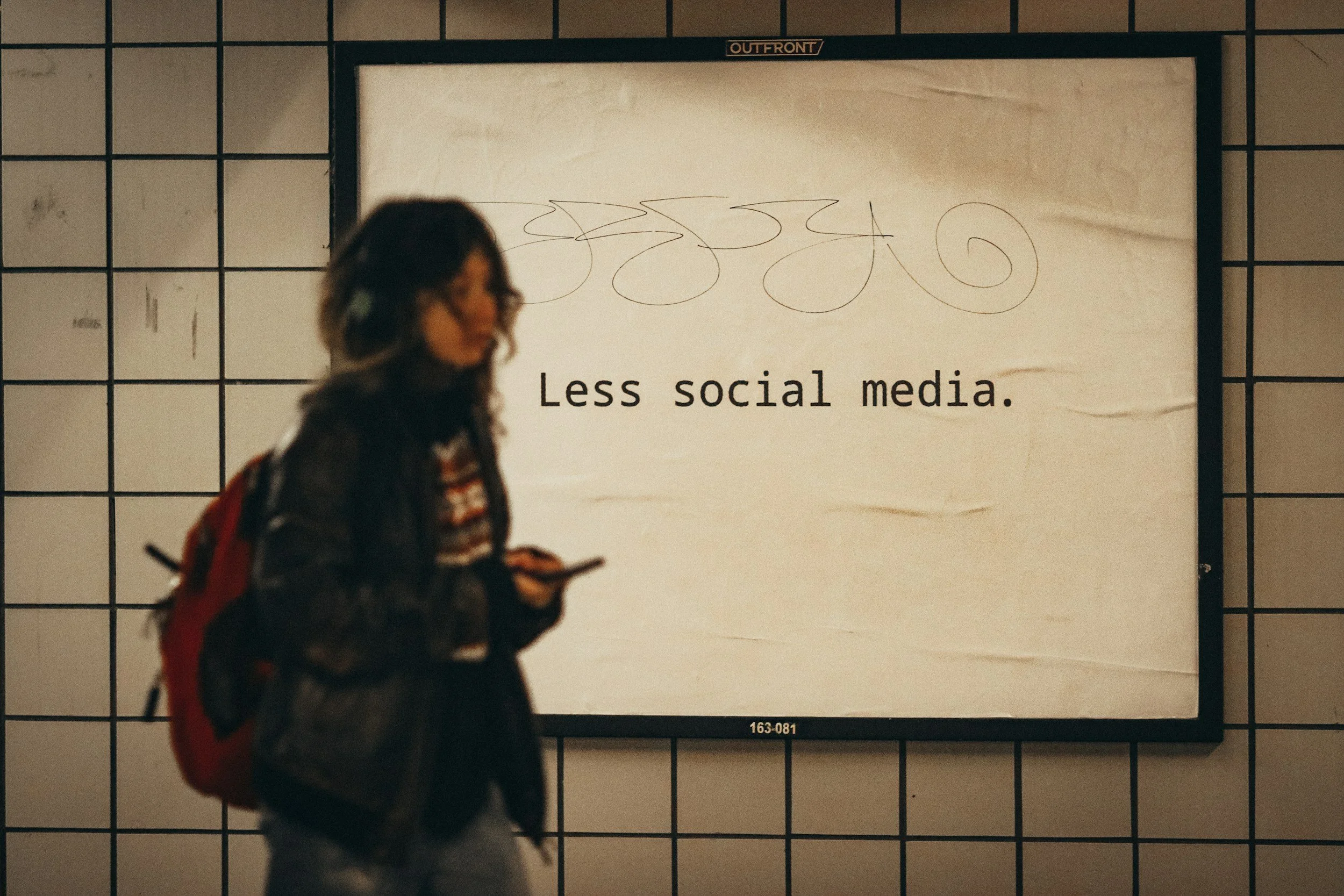
some evidence-backed benefits from some studies taken place recently:
• Improved overall wellbeing. A study at University of Bath found a significant improvement after only one week of a social media detox - even just reducing how much you use it every day.
• Reduced anxiety symptoms. Participants in this study and took the break from social media reported they had lower anxiety than those continuing as normal.
• Reduced depressive symptoms. The same trial found a significant reduction in depression scores after the seven-day break.
• Potentially better sleep. A separate study involving 132 people found that limiting Facebook, Instagram and Snapchat for a week produced a small improvement in wellbeing, with large improvements in sleep quality.
• You get a surprising amount of time back. In the Bath research, participants reported using social media for around eight hours a week before the experiment — essentially an entire working day spent scrolling. Imagine the time you could spend doing something that actually fills your life with joy again.
Let me know if you try doing a social media detox, as I’m so curious if the ever increasing engagement we have with social media may, ironically, be making us less social or more socially anxious.